When the room spins or your head feels foggy every time you turn, simple tasks start to feel risky. Many types of dizziness can be treated with physical therapy once the source is clear.
Dizziness is a symptom, not a diagnosis. It can come from the inner ear, the neck, the brain or the cardiovascular system, and each needs a different approach. Pinning down the likely source is the first step. Some causes need a physician first, and we will refer you when that is the case. Sudden dizziness with slurred speech, facial drooping, weakness or a severe headache needs emergency care right away.
Tiny calcium crystals in the inner ear can shift into one of the canals that sense rotation. Brief spinning spells follow certain head movements, like rolling over in bed or looking up. BPPV is common and is often treated with specific repositioning maneuvers.
Inflammation of the vestibular nerve or inner ear, often after a viral illness, can cause intense vertigo followed by lingering unsteadiness. Exercises that retrain the balance system help the brain adapt.
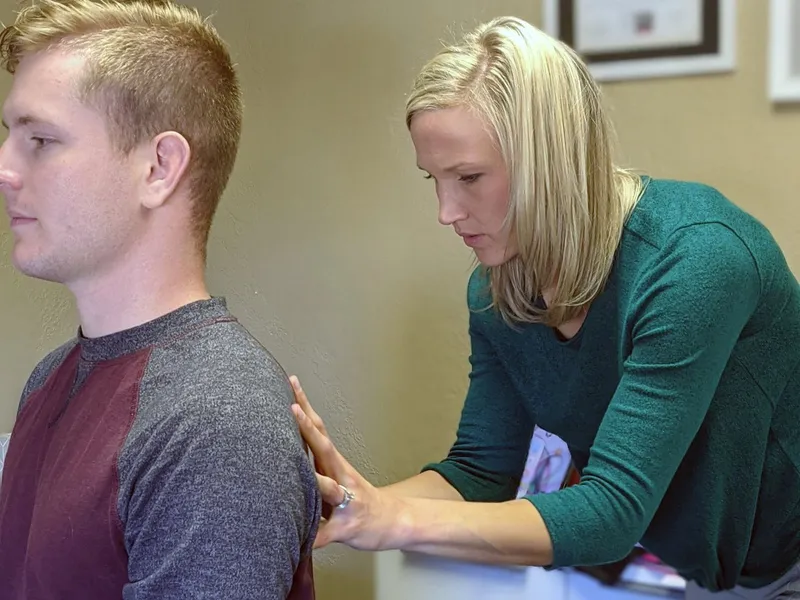
Stiffness, muscle tension or injury in the upper neck can disturb the signals your brain uses to sense head position. This type of dizziness often comes with neck pain or headaches and tends to change with neck movement.
Dizziness, sensitivity to motion and trouble focusing are common after a concussion or traumatic brain injury. Gradual, guided exposure to movement is part of recovery.
The inner ear, vision and sensation in the feet can all change gradually with age. When those inputs weaken and activity drops, the brain has less practice combining them, and dizziness or unsteadiness can creep in, especially with quick turns.
Some people experience vertigo or motion sensitivity as part of migraine, with or without a headache. Management usually involves your physician as well as movement-based care.
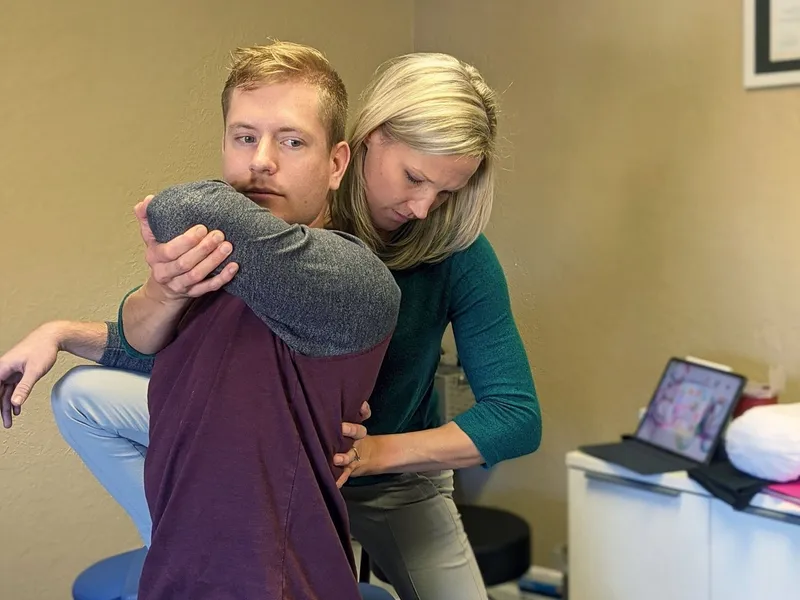
Dizziness treatment starts with careful testing. Your evaluation includes how your eyes, head and neck move, positional tests for the inner ear, and a balance and walking assessment, so we can tell which system is most involved. Sessions are one-on-one with a doctor of physical therapy (DPT) or licensed physical therapist assistant (PTA) for the full appointment, which gives us time to move slowly and pause when symptoms rise.
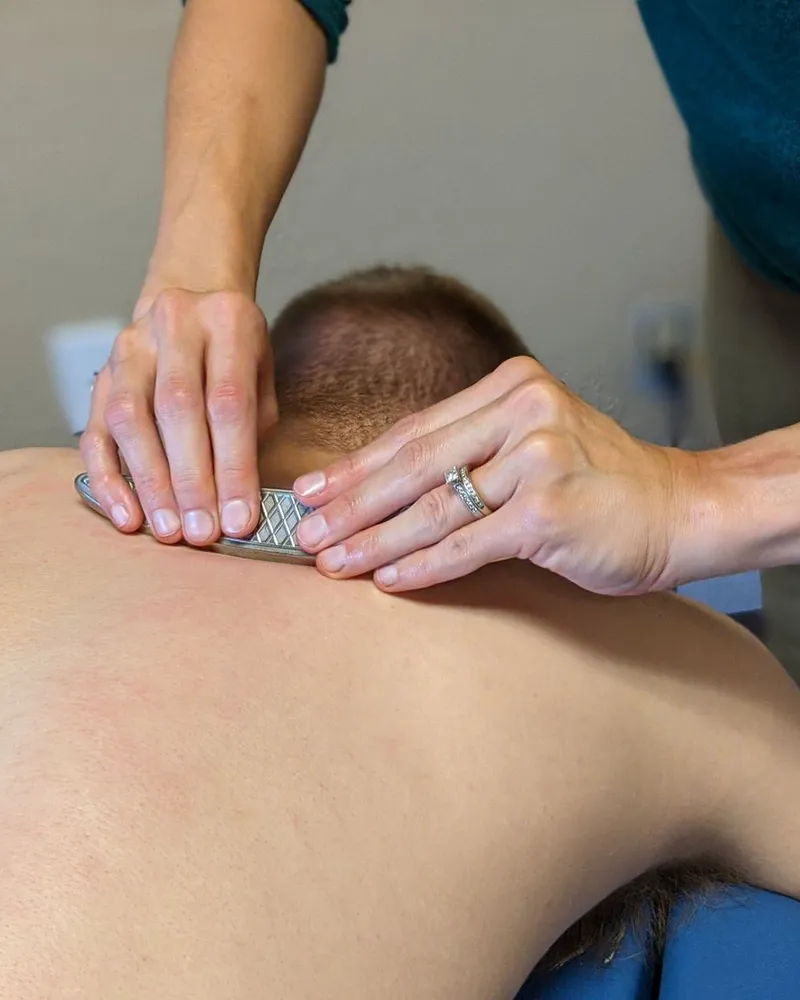
If testing points to BPPV, repositioning maneuvers may be used. For lingering dizziness, we build a vestibular and balance exercise program that gradually challenges your system so it can adapt. When the neck is part of the picture, hands-on care helps: integrative dry needling and IASTM (scraping) can address tight, guarded muscles in the neck and upper back, and joint mobilization can restore motion. Dr. Bobbi Pierson has treated patients with vertigo, traumatic brain injury and repeated falls. If your symptoms suggest something that needs medical attention first, we will tell you and help you find the right next step.
You do not need a physician referral to start physical therapy in New Mexico. Most patients come in once a week, and a few benefit from twice. Between visits, you follow a home program built for your body and your goals, so the work keeps going outside the clinic.
A phone consultation comes first. Your 1 hour 15 minute evaluation includes positional, eye movement, neck and balance testing to identify likely triggers. We go at your pace and stop when symptoms build, so testing stays manageable.
Full treatments of about 50 minutes may include repositioning maneuvers, neck treatment and exercises that retrain how your brain processes head and eye movement.
We progress to busier, faster, real-life tasks, like turning while walking or reaching overhead, with a home program to keep improving between visits.
Very happy with PT Staff, they take the time to listen to your questions and determine the best solution to improve your health.

Unsteady walking and fear of falling, treated with strength and balance retraining.

Neck tension and posture can drive headaches and dizziness alike. We treat the source.

Symptoms that linger need a whole-body look. We find what keeps them going.