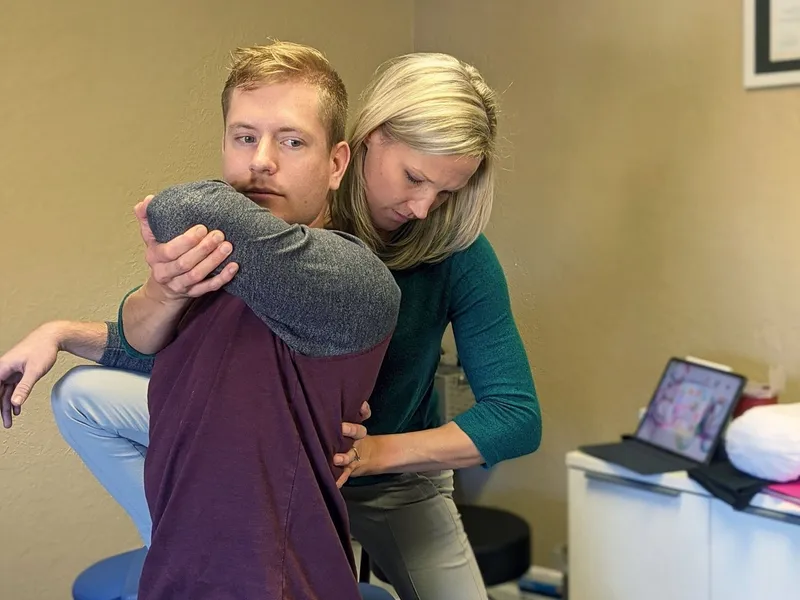
You have rested it, stretched it and waited for it to pass. If back pain or sciatica keeps deciding what you can do, a thorough evaluation is where the plan changes.
Low back pain is an umbrella term. Generalized low back pain, sacroiliac (SI) joint pain and disc-related sciatica can feel similar but often respond to different treatment. Sorting out which one you have, and what is driving it, is the first job of your evaluation. Dr. Shyla has written about this on our blog, because these conditions can present in similar ways while the treatments are very different.
Generalized back pain is often linked to weakness in the core, hips and glutes. When those muscles do not share the load, the muscles along the spine tighten and feel rope-like. Stretching may feel good, but the relief tends to be short-lived.
A bulging or herniated disc, or an irritated facet joint, can cause pain that changes with position. Some people feel worse bending forward, others bending back. The pain often feels mechanical, like something is in the way, and sitting can make it ache.
When a nerve root in the low back is irritated, pain, numbness or tingling can travel into the buttock and down the leg. Sciatica describes the symptom, not the cause, so we look for what is irritating the nerve.
SI joint pain usually sits on one side, where the sacrum meets the pelvis. It can follow a jolt, like stepping in a pothole on a run, and pregnancy can increase the risk. Many people say their hips feel uneven or just off.
Long stretches at a desk or in the car hold the low back in one position. Prolonged standing or long walks can also bring on fatigue and then pain as the supporting muscles tire.
Lifting with a rounded back, twisting under load or a sudden awkward movement can strain the muscles and ligaments of the low back. Most strains settle, but repeated episodes are a sign the underlying pattern needs attention.
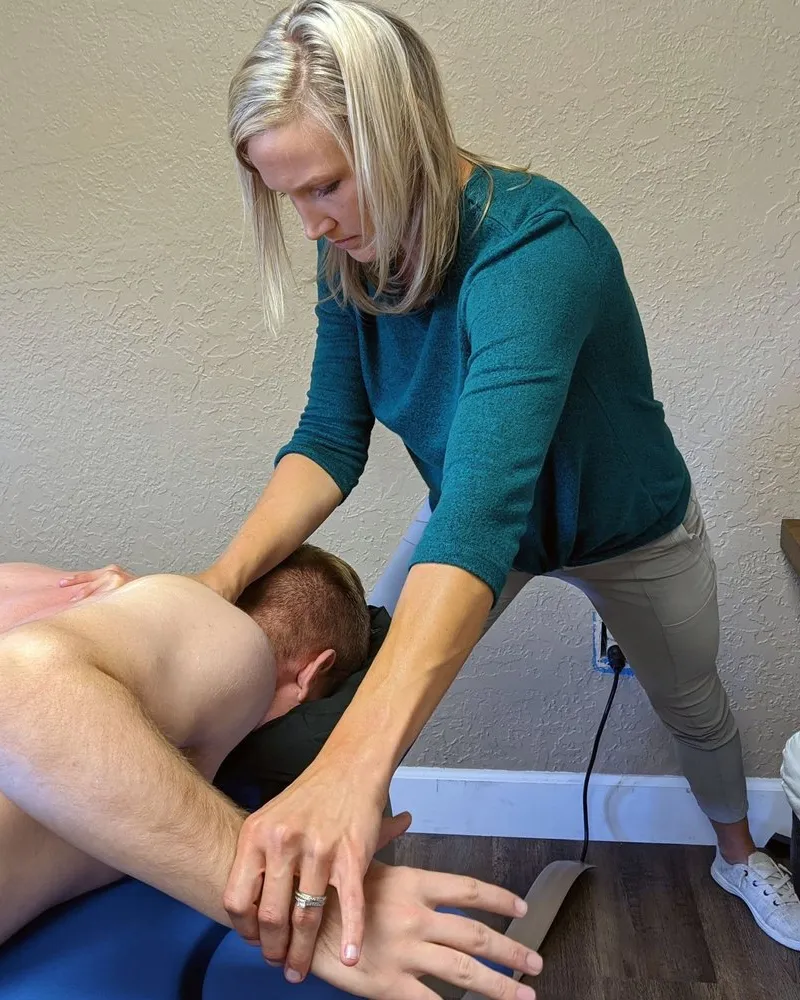
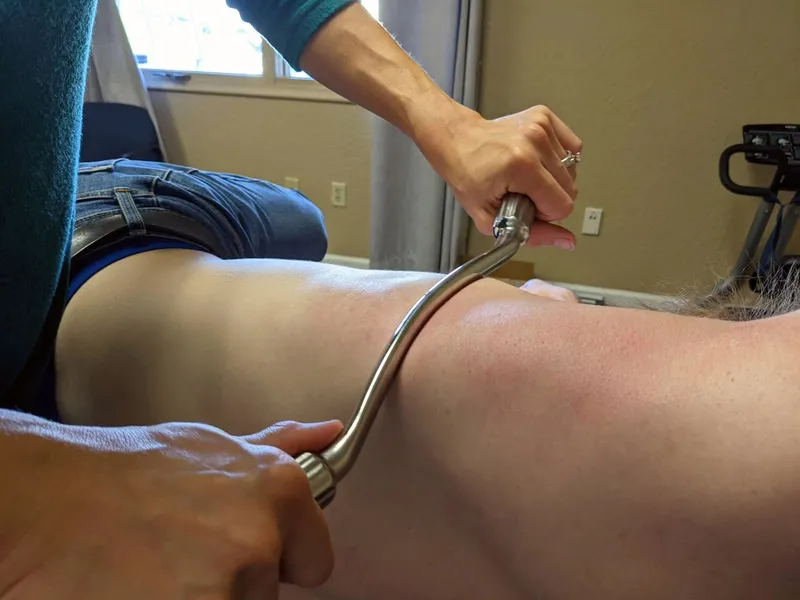
Back pain is rarely only a back problem. At Maximum Impact, your evaluation checks the hips, pelvis and core and the way you sit, stand and lift, so we treat the source instead of chasing the spot that hurts. Each session is one-on-one with a doctor of physical therapy (DPT) or licensed physical therapist assistant (PTA) for the full appointment.
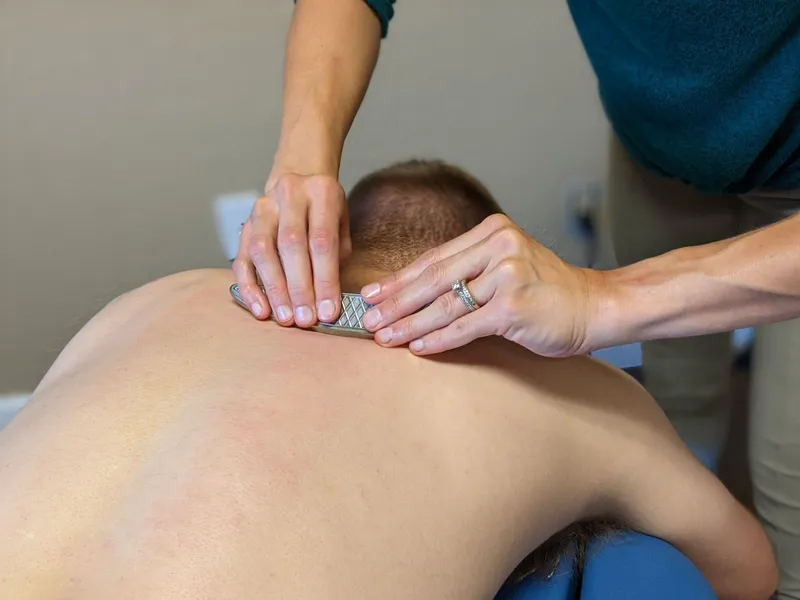
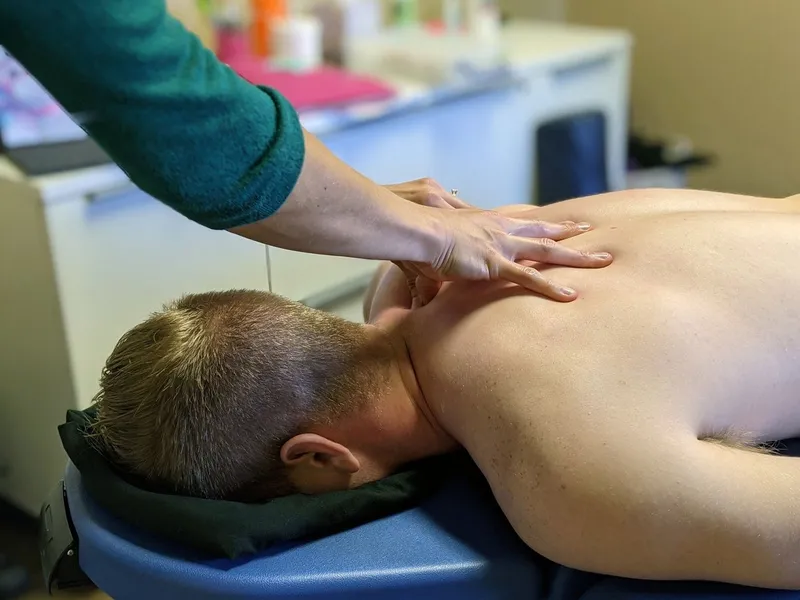
Integrative dry needling can help calm irritated nerves and release protective muscle tension, and IASTM (scraping) addresses soft tissue restrictions in the low back and hips. Muscle Activation Techniques help us find muscles that are not contracting well and get them working again, and joint mobilization can restore motion where the spine or SI joint feels stuck. The longer-term fix is core, hip and pelvic strengthening alongside mobility work, because the more stability your trunk and hips provide, the less your back has to guard itself. If your symptoms point to something that needs a physician, we will tell you and refer you.
You do not need a physician referral to start physical therapy in New Mexico. Most patients come in once a week, and a few benefit from twice. Between visits, you follow a home program built for your body and your goals, so the work keeps going outside the clinic.
A phone consultation confirms we are a good fit. Your 1 hour 15 minute evaluation sorts out what kind of back pain you have and what is driving it, and you leave with a plan and a few things to start doing right away.
Full treatments run about 50 minutes and may include dry needling, scraping, joint mobilization and muscle activation to calm pain and restore motion.
We build core, hip and glute strength and teach you how to keep your back stable during everyday tasks, from lifting groceries to getting back in the gym.
Dr. Shyla has given me life! She has been treating me for hip & back pain, and has worked wonders. I affectionately call her my drill sergeant because she keeps me motivated & on task!

Hip and back pain often travel together. We treat the connection, not just one side of it.

Stiff, achy joints limit how you move. We restore motion and build strength around them.

Tension in the neck and upper back can drive headaches. We look at posture and the whole spine.