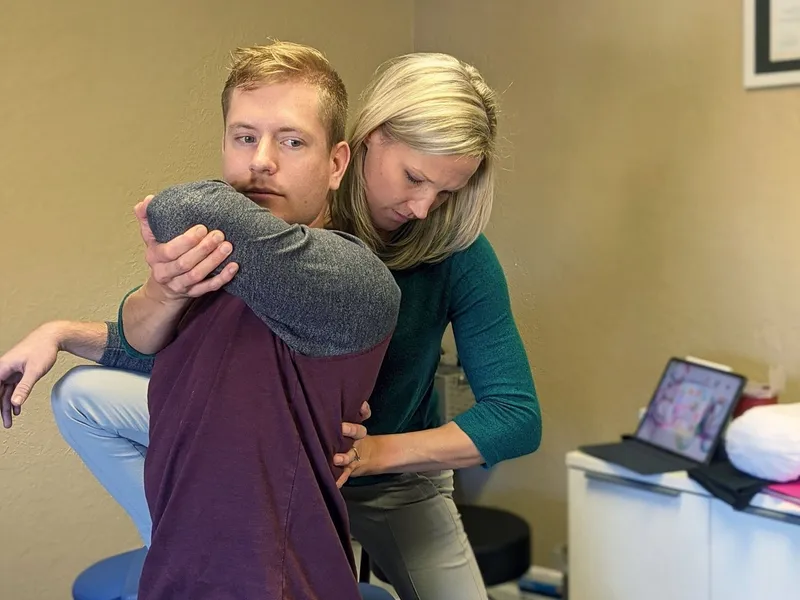
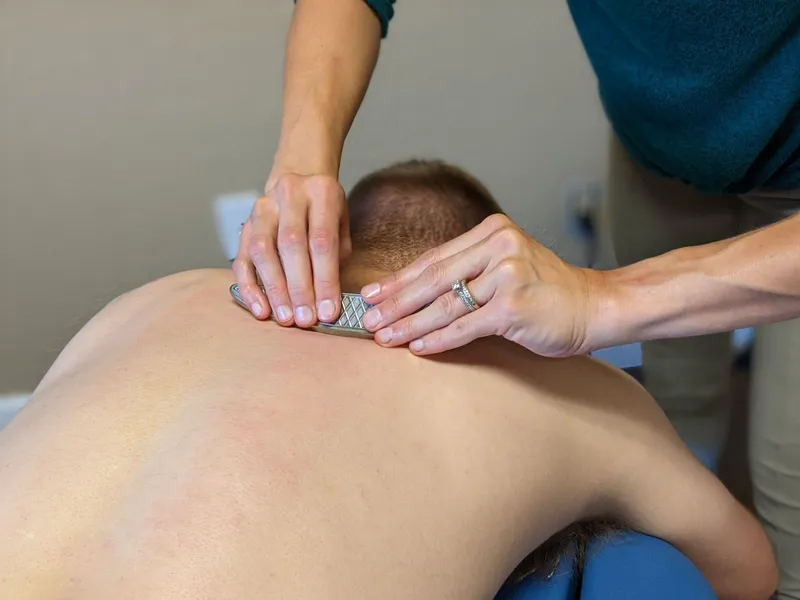
If you have tried rest, pills and quick fixes and the pain keeps coming back, you are not imagining it. Lasting change usually means looking past the spot that hurts to find what is driving it.
Chronic pain is usually defined as pain that lasts longer than about three months. By then it is rarely just about the original tissue. Your nervous system, the muscles that tightened to protect you and the ways you have learned to move around the pain all play a part. That is also why chasing the sore spot alone so often gives only temporary relief.
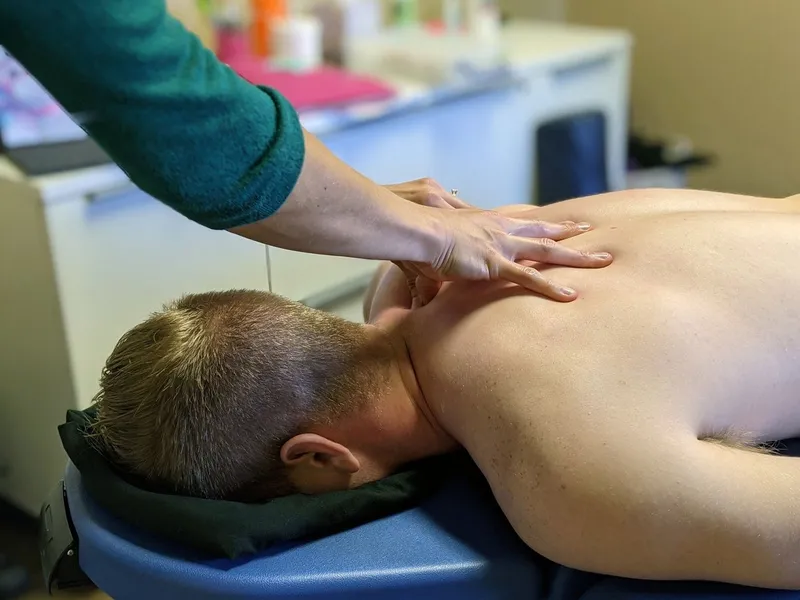
Overuse, physical trauma, emotional stress, dehydration or excessive training can irritate and inflame nerves. Muscles tighten to protect an irritated nerve, which creates the familiar knots and tightness. That protective response can end up causing more pain than it prevents.
When pain lasts, the nervous system can become more sensitive and turn up the volume on signals that would not normally hurt. This is real pain, not something in your head, and the system can be retrained.
Sprains, strains and surgeries sometimes heal without full strength or motion coming back. The body works around the problem, and those compensations can create pain somewhere else.
Stress, trauma and repeated small injuries can weaken the communication between the nervous system and the muscles. Muscles that do not contract efficiently leave joints less supported and more vulnerable to pain.
Stress and poor sleep both lower your tolerance to pain, and pain makes it harder to sleep and relax. Calming the nervous system is part of breaking that cycle.
Training hard without enough recovery, or running low on water in Albuquerque's dry, high-altitude climate, can leave muscles and nerves irritable and slower to settle. Small, repeated stresses add up when the body never gets a chance to catch up.
Avoiding activity because it hurts is understandable, but over time it leads to stiffness, weakness and less capacity for daily life, which can make pain flare more easily.
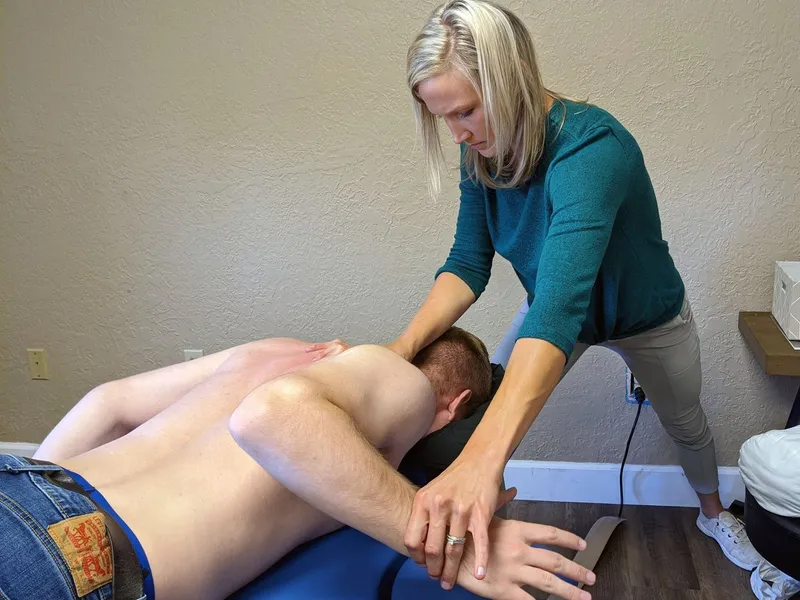
Chronic pain calls for patience, a thorough look at the whole body and more than a few minutes of attention. At Maximum Impact, the entire appointment is one-on-one with a doctor of physical therapy (DPT) or licensed physical therapist assistant (PTA). Your evaluation looks beyond where it hurts to find areas of dysfunction that may be feeding the pain.
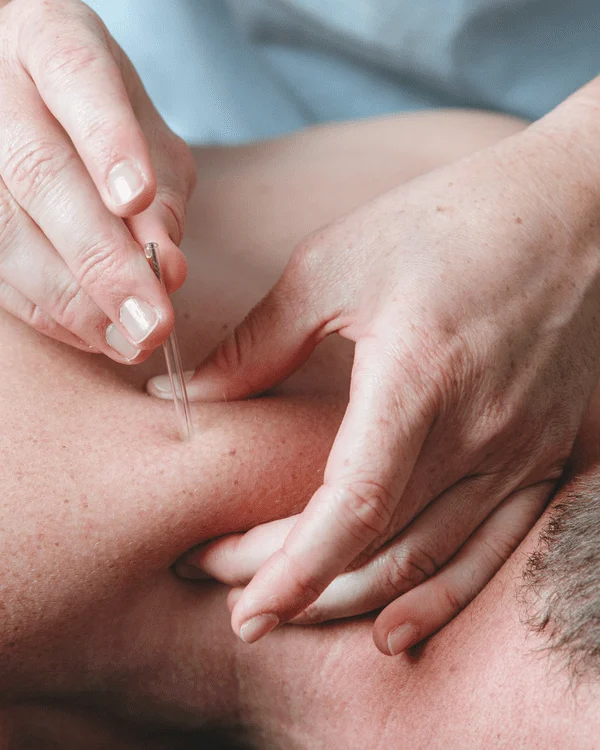
Integrative dry needling targets trigger points and key nerve points to help the nervous system relax and reduce inflammation. NEUBIE neuro stimulation helps us pinpoint areas where nerves and muscles are not communicating well, and it is designed to favor a calmer, parasympathetic state. Muscle Activation Techniques restore muscle function through targeted palpation and specific isometric holds. As pain settles, we build corrective strength and mobility work at a pace your body tolerates, so you can rebuild capacity without setting off a flare. The goal is to address the root cause, not just quiet the symptoms for a day.
You do not need a physician referral to start physical therapy in New Mexico. Most patients come in once a week, and a few benefit from twice. Between visits, you follow a home program built for your body and your goals, so the work keeps going outside the clinic.
After a phone consultation, your 1 hour 15 minute evaluation gives us time to hear your history, assess the whole body and explain what we think is driving your pain.
Full treatments of about 50 minutes may combine dry needling, NEUBIE, muscle activation and hands-on soft tissue work to reduce pain and restore movement.
We gradually add strength and mobility work matched to how your body is responding, with a home program that helps you stay in control between visits.
I highly recommend Maximum Impact PT! They have helped me get better results than I have ever been able to achieve with my life long physical limitations. The entire team is knowledgeable, professional, and friendly.

Persistent back pain and nerve pain down the leg, assessed from the hips up.

Stiff, achy joints do better with the right movement. We help you keep moving.

Recurring headaches can start in the neck and upper back. We look for the source.